What are the applications of thickness gauges in the manufacturing industry
Thickness gauges are widely used in the manufacturing industry, with the core being to control the thickness consistency and compliance of materials/products, covering the entire process of raw material testing, production process monitoring, and finished product quality inspection. The specific application scenarios are as follows:
Thickness gauges are widely used in the manufacturing industry, with the core being to control the thickness consistency and compliance of materials/products, covering the entire process of raw material testing, production process monitoring, and finished product quality inspection. The specific application scenarios are as follows:
1��、 Metal processing industry
Plate/coil inspection: used for thickness sampling of raw materials such as steel plates, aluminum plates, and stainless steel plates, as well as real-time monitoring of thickness during the rolling process to ensure compliance with production specifications (such as automotive steel plates and building aluminum materials).
Pipe/profile testing: measure the wall thickness of steel and aluminum pipes to avoid uneven wall thickness affecting pressure resistance (such as mechanical hydraulic pipes and pipes used in pipeline engineering); Detect the cross-sectional thickness of aluminum and steel profiles to ensure structural strength.
Coating/plating detection: Measure the thickness of metal surface electrophoretic layer, spray paint layer, galvanized layer, etc., to ensure anti-corrosion and aesthetic effects (such as automotive body coating, household appliance shell coating).
2���、 Plastic and rubber industry
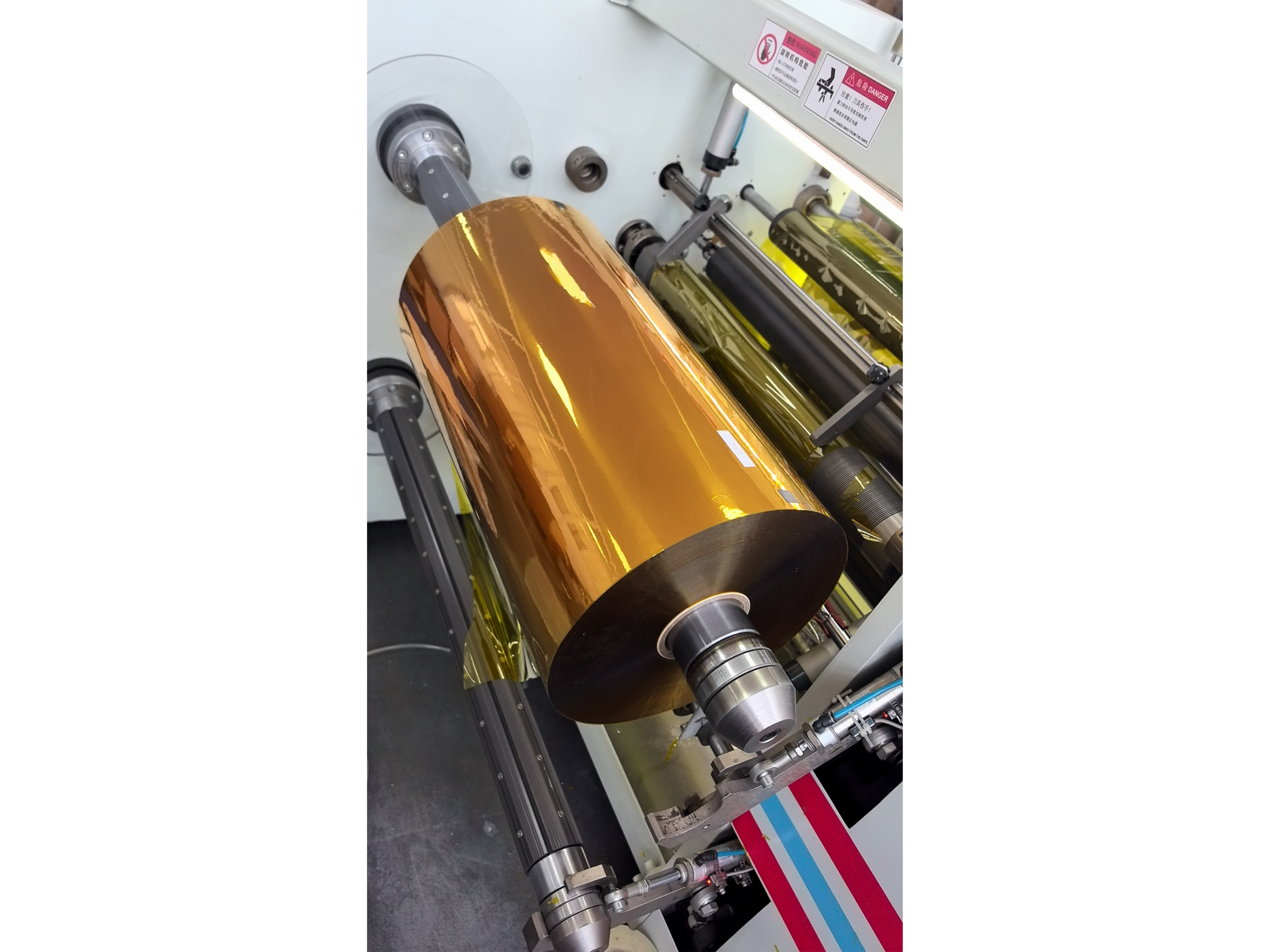
Film/Sheet Testing: Monitor the thickness uniformity of plastic films (food packaging film, express bag film) and plastic sheets (acrylic board, PC endurance board) to avoid the influence of thin and thick spots on their performance.
Rubber product testing: Measure the thickness of tire tread, sealing ring, and rubber hose to ensure the wear resistance, sealing, and pressure resistance of the product (such as automotive tires and industrial sealing rings).
Injection molded part inspection: Spot check the wall thickness of injection molded products (such as home appliance casings and plastic parts) to avoid molding defects (such as shrinkage marks and cracks) caused by uneven wall thickness.
3���、 Electronics and Semiconductor Industry
Circuit board inspection: Measure the thickness of the PCB substrate, copper foil layer, and solder mask layer to ensure circuit conductivity and stability.
Electronic component testing: Testing the thickness of chip packaging layers, battery electrodes, and capacitor/resistor casings to ensure component performance and safety (such as lithium battery electrode thickness directly affecting capacity).
Display screen inspection: Measure the glass substrate and film layer thickness of LCD panels and OLED screens to ensure display effectiveness and durability.
4�、 Building materials and packaging industry
Building material testing: measuring the thickness of tiles, stone, and glass (such as building curtain wall glass and decorative tiles) to ensure installation compatibility and structural safety; Check the thickness of insulation boards and gypsum boards to ensure their insulation and load-bearing performance.
Packaging inspection: Measure the thickness of cardboard boxes and corrugated paper, as well as the layer thickness of aluminum foil and composite packaging materials (such as food canned packaging and drug packaging), to ensure packaging protection and compliance.
5�、 Textile and Leather Industry
Fabric/Non woven Fabric Testing: Measure the thickness of textile fabrics (cotton, synthetic fabrics) and non-woven fabrics (masks, hygiene products), and correlate the breathability and warmth of the fabrics (such as winter clothing fabrics and industrial filter cloth).
Leather/synthetic leather testing: Testing the thickness of natural leather and synthetic leather to ensure the durability and feel of products such as sofas, leather shoes, and bags.
6����、 Automotive and Aerospace Industry
Automotive parts testing: Measure the thickness of car glass, bumpers, interior parts (such as door panels, seat fabrics), as well as the thickness of engine piston rings and gaskets to ensure assembly accuracy and safe use.
Aerospace component testing: testing the thickness of fuselage skin, wing composite materials, and aviation pipes, strictly controlling tolerances (such as aircraft aluminum alloy skin and carbon fiber composite components), to ensure flight safety.



 WeChat number:
 Home
Home
 Product
 Wechat
 Telephone